
Why Heme Iron in Beef Organs Surpasses Synthetic Iron Supplements
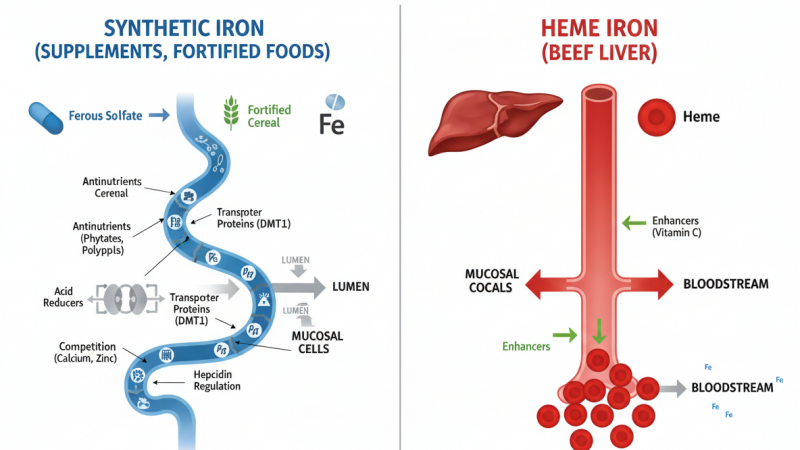
It's a common conundrum in the world of health: many people report feeling revitalized after incorporating liver into their diet, yet experience little to no improvement from conventional iron supplements. This perplexing discrepancy begs a fundamental question: why do synthetic iron pills often fall flat in addressing iron deficiency, while a humble organ meat like beef liver delivers remarkable results?
The answer lies in the intricate biochemistry of iron metabolism and the synergistic nutrients found in whole foods, a sophisticated system that synthetic supplements often fail to replicate.
Heme Iron: The Superior Bioavailable Fuel
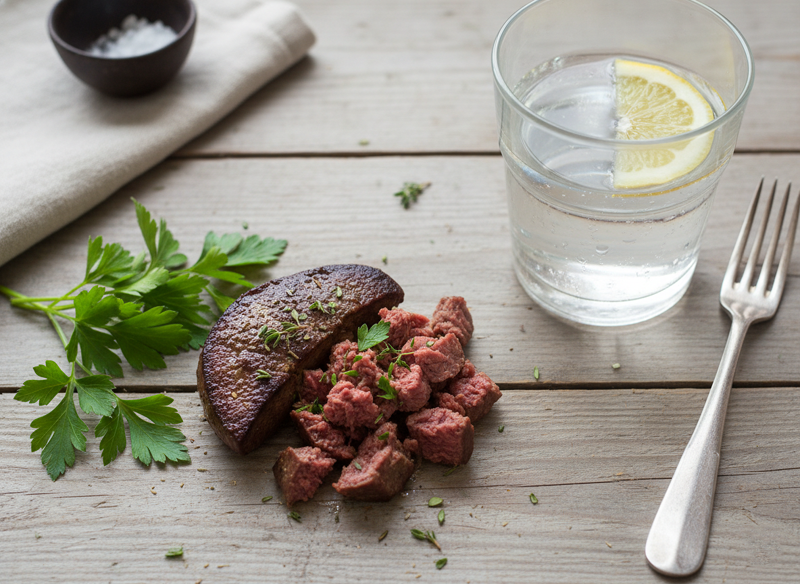
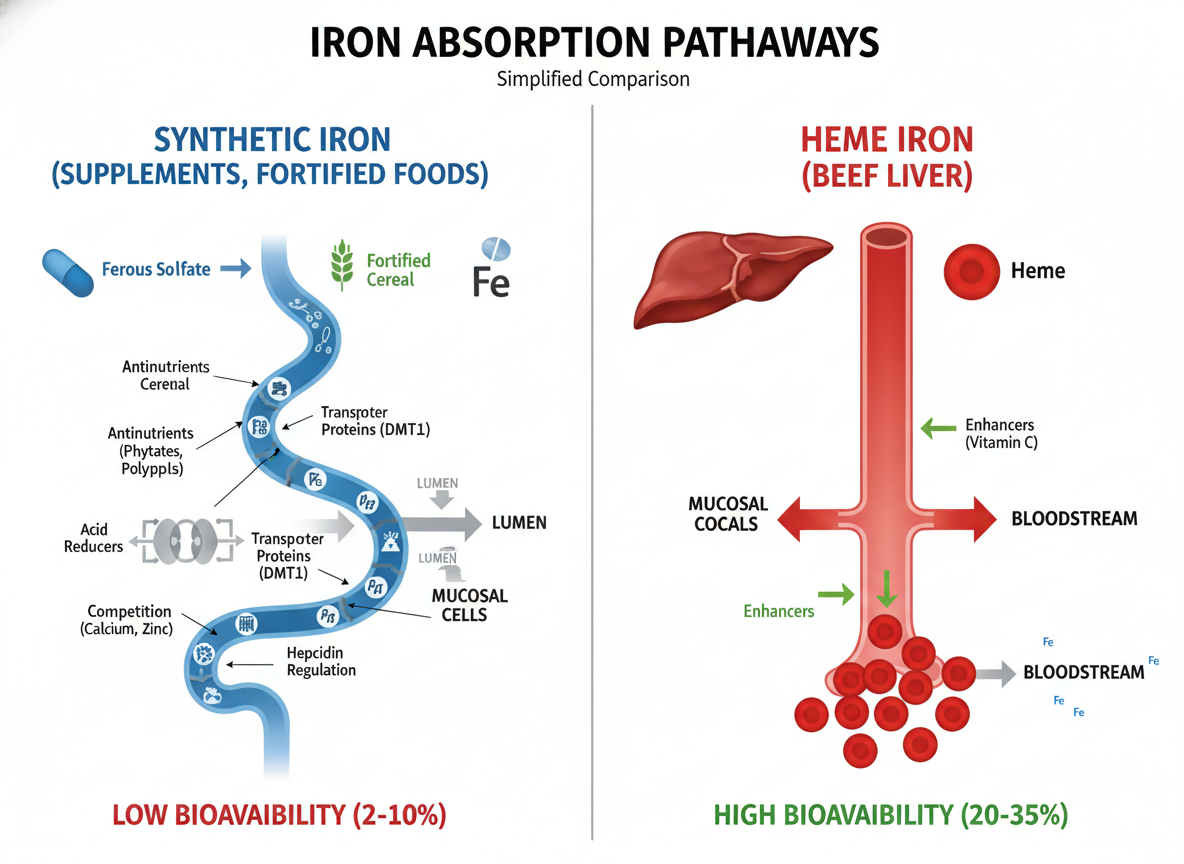
The secret to beef liver's efficacy begins with its primary form of iron: heme iron. Unlike non-heme iron found in plants or the synthetic iron salts in most supplements, heme iron is a pre-formed, highly absorbable compound that requires no complex conversions by the body.
It's essentially "ready-to-use" fuel for red blood cell production, boasting an absorption rate significantly higher than its non-heme counterparts. This superior bioavailability means the iron from beef liver is efficiently utilized, bypassing many common absorption inhibitors, and ensuring your body truly gets the iron it needs without digestive upset or wasted nutrients.
Copper: The Unsung Maestro of Iron Metabolism
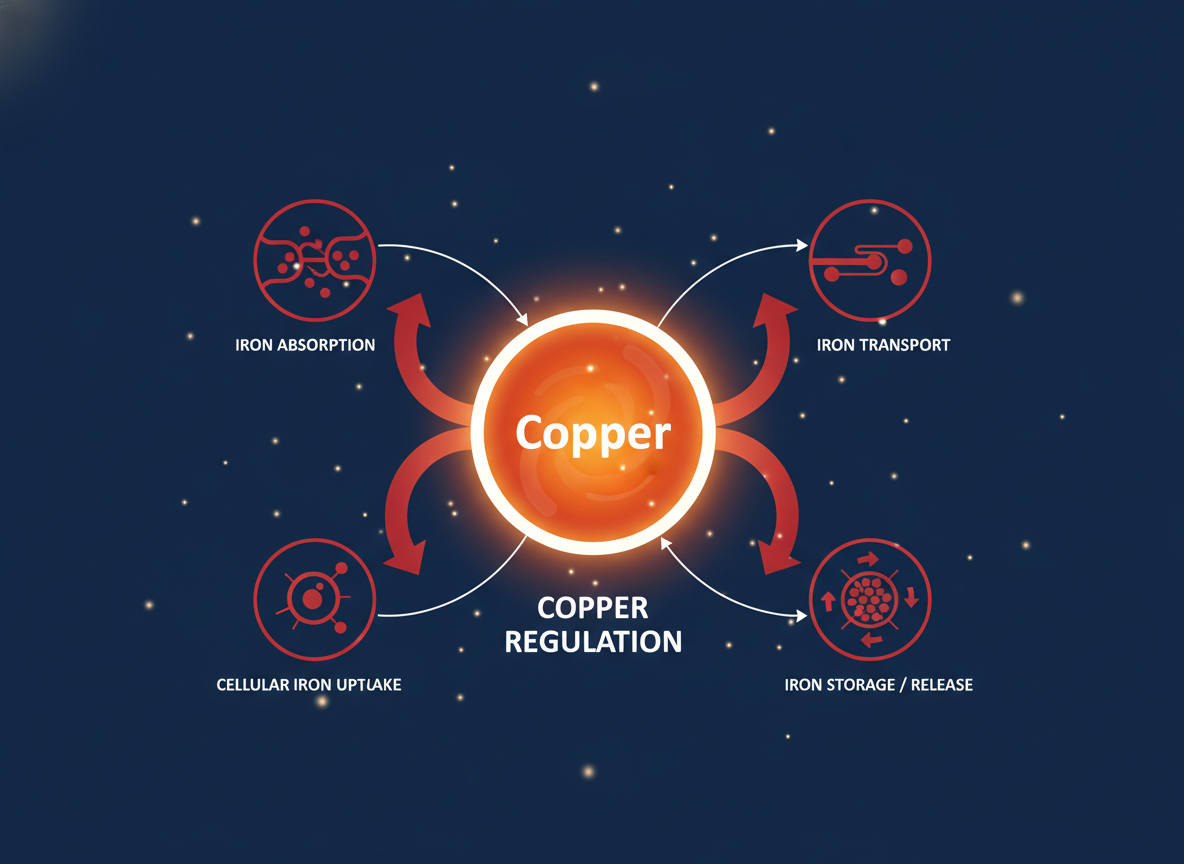
Beyond its rich iron content, beef liver is also an exceptional source of copper, a nutrient often overlooked in discussions of iron deficiency. Copper is not merely a trace mineral; it's an indispensable co-factor for manufacturing a critical enzyme known as ceruloplasmin.
Think of ceruloplasmin as the grand orchestrator of iron metabolism, the "general manager" that directs iron where it needs to go. Without adequate copper, ceruloplasmin production falters, and the entire iron transport system can grind to a halt. This vital connection highlights why simply supplementing iron in isolation is often an exercise in futility if the body lacks the copper required to process and utilize it effectively.
Ceruloplasmin: The Iron's GPS and Chaperone
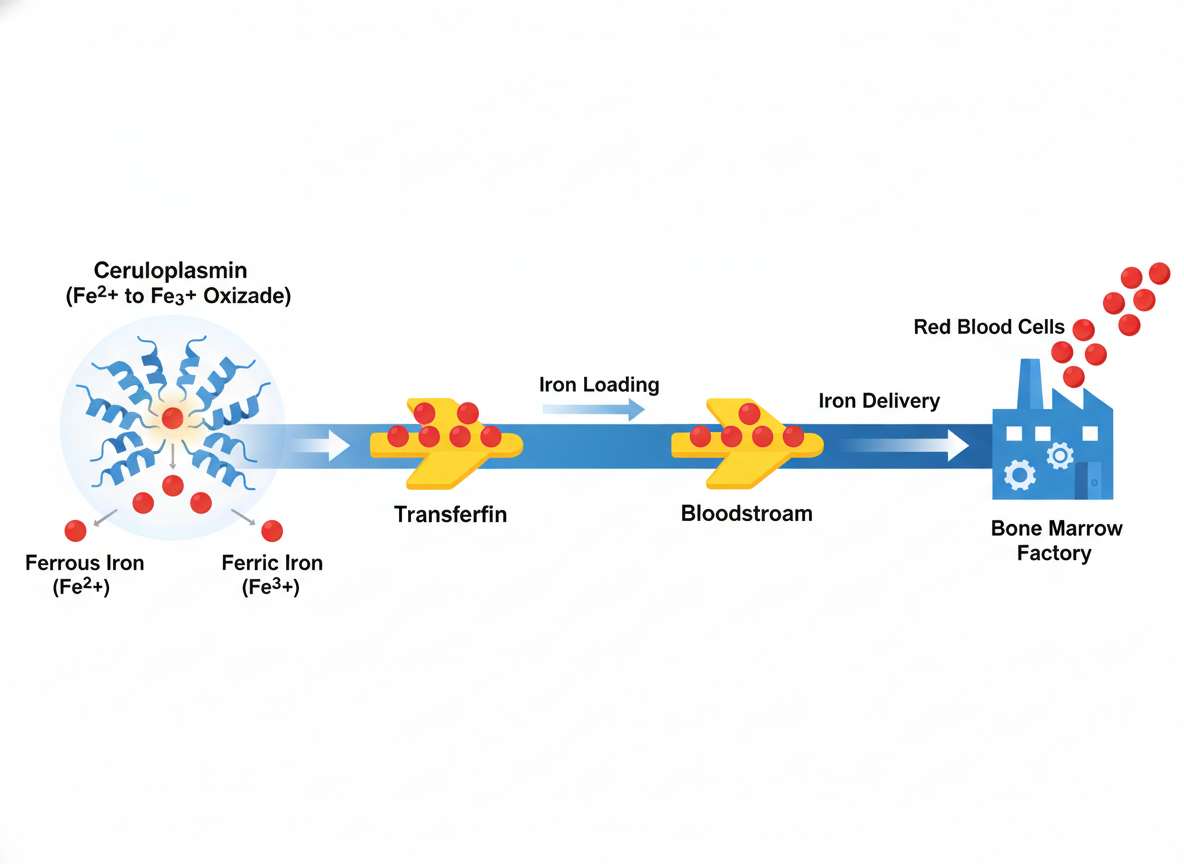
The magic of ceruloplasmin lies in its function as a potent ferroxidase enzyme. Its primary role is to safely convert ferrous iron (Fe2+), the common form, into ferric iron (Fe3+), the form required for binding to transferrin, the protein that transports iron throughout the bloodstream.
More importantly, ceruloplasmin then precisely chaperones this ferric iron to the bone marrow, where it is finally incorporated into hemoglobin for red blood cell synthesis. When ceruloplasmin is deficient—often due to a lack of copper—iron can accumulate in tissues, leading to what is often termed "functional iron deficiency." The iron is present, but it's locked away and unavailable for its critical role in oxygen transport, creating symptoms of anemia despite seemingly adequate iron stores.
The Evolutionary Synergy: Liver, Bone Marrow, and Optimal Blood Building
The efficient partnership between the liver (both as a food source and an organ in the body) and the bone marrow is a testament to millions of years of evolutionary fine-tuning. Optimal blood building is not a solo act; it's a sophisticated symphony requiring the coordinated action of multiple nutrients and enzymes.
Beef liver provides not only the prime building block in heme iron but also the crucial copper necessary for ceruloplasmin, ensuring that iron is not only absorbed but also precisely delivered to the bone marrow. This systemic collaboration, rather than the isolated addition of a single nutrient, is the true engine of robust hematopoiesis, offering a holistic solution to iron-related health concerns.
A Systemic Solution: Embracing Whole Organ Meats
Given this profound understanding of iron metabolism, the systemic solution becomes clear: prioritize whole food sources like beef liver and other organ meats. Instead of blindly supplementing with synthetic iron, focus on providing your body with the complete nutritional matrix it evolved to utilize.
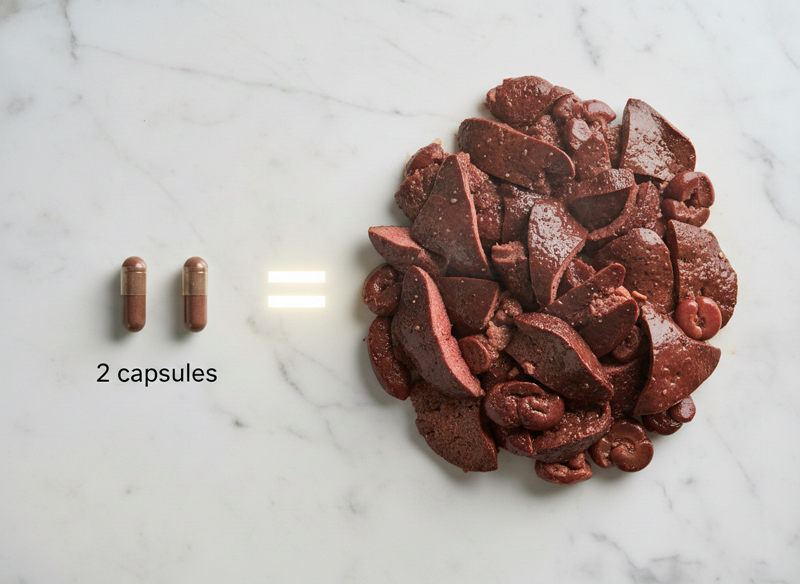
Incorporating beef liver, either directly into your diet or through high-quality desiccated organ supplements, ensures you receive not only highly bioavailable heme iron but also essential co-factors like copper that are crucial for efficient iron transport and utilization. This approach supports your body's innate wisdom, fostering genuine vitality and addressing the root causes of "functional iron deficiency" far more effectively than isolated pills ever could.
Leave a comment